
Discover Ways to Reduce HVAC's Environmental Impact
- Esther Maskal
- Nov 10, 2025
- 4 min read
Heating, ventilation, and air conditioning (HVAC) systems are essential for maintaining comfort in homes and workplaces. However, they also contribute significantly to energy consumption and environmental pollution. Fortunately, there are many practical ways to reduce HVAC environmental effects without sacrificing comfort. This article explores effective strategies to make your HVAC system more eco-friendly and energy-efficient.
How to Reduce HVAC Environmental Effects
Reducing the environmental impact of HVAC systems starts with understanding how they consume energy and affect the environment. HVAC units often rely on electricity generated from fossil fuels, which leads to greenhouse gas emissions. Additionally, older systems may use refrigerants that harm the ozone layer.
Here are some actionable steps to reduce HVAC environmental effects:
Upgrade to Energy-Efficient Equipment: Modern HVAC units with high Seasonal Energy Efficiency Ratio (SEER) ratings use less electricity. Look for ENERGY STAR-certified products.
Regular Maintenance: Clean or replace filters monthly, check ducts for leaks, and schedule annual professional inspections to keep systems running efficiently.
Smart Thermostats: Installing programmable or smart thermostats helps optimize heating and cooling schedules, reducing unnecessary energy use.
Seal and Insulate: Proper insulation and sealing of windows, doors, and ductwork prevent heat loss or gain, reducing the workload on HVAC systems.
Use Renewable Energy Sources: Consider powering your HVAC system with solar panels or other renewable energy options.
Implementing these measures can significantly lower energy bills and reduce your carbon footprint.
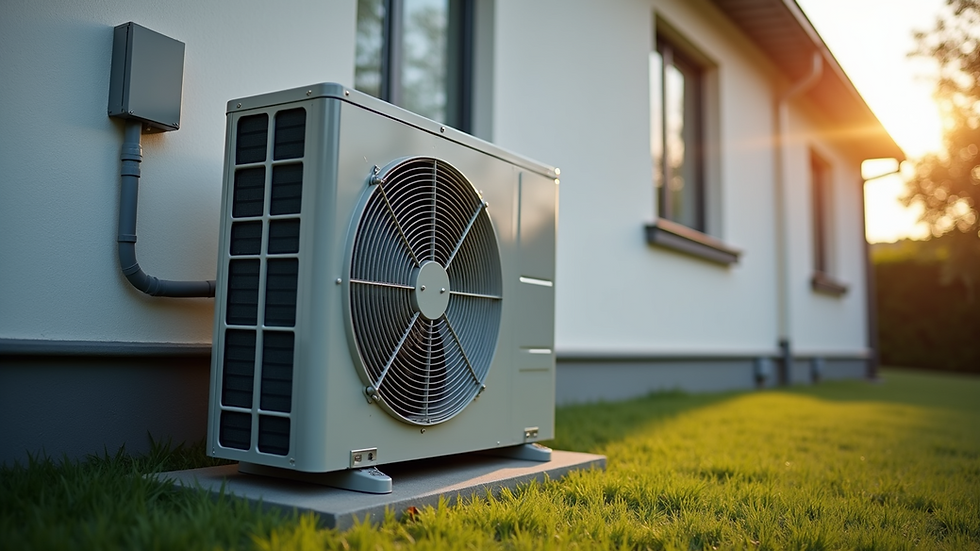
Benefits of Energy-Efficient HVAC Systems
Switching to energy-efficient HVAC systems offers multiple benefits beyond environmental protection. These systems:
Lower Energy Costs: Efficient units consume less power, leading to noticeable savings on utility bills.
Improve Indoor Air Quality: Advanced filtration and ventilation features reduce allergens and pollutants.
Enhance Comfort: Better temperature control and humidity regulation improve overall comfort.
Increase Property Value: Energy-efficient upgrades are attractive to buyers and can increase resale value.
Reduce Carbon Footprint: Using less energy means fewer greenhouse gas emissions.
For example, replacing an old air conditioner with a high-efficiency model can reduce energy consumption by up to 50%. This not only saves money but also contributes to environmental impact reduction by lowering emissions associated with electricity production.
Choosing the Right HVAC System for Your Needs
Selecting the appropriate HVAC system is crucial for maximizing efficiency and minimizing environmental effects. Consider the following factors:
Size and Capacity: An oversized or undersized system wastes energy. Conduct a professional load calculation to determine the right size.
Type of System: Options include split systems, heat pumps, ductless mini-splits, and geothermal systems. Heat pumps and geothermal units are particularly eco-friendly.
Refrigerant Type: Choose systems that use environmentally safe refrigerants like R-410A instead of older, ozone-depleting substances.
Installation Quality: Proper installation ensures optimal performance and prevents energy loss.
Consulting with an HVAC professional can help you make an informed decision tailored to your building and climate.

Practical Tips to Maintain HVAC Efficiency
Maintaining your HVAC system is essential to sustain its efficiency and reduce environmental impact. Here are some practical tips:
Change Filters Regularly: Dirty filters restrict airflow and force the system to work harder.
Keep Vents Unblocked: Ensure furniture or curtains do not obstruct air vents.
Clean Coils and Fans: Dust and debris on coils reduce heat exchange efficiency.
Check Thermostat Settings: Set temperatures to energy-saving levels when rooms are unoccupied.
Schedule Professional Tune-Ups: Annual inspections can identify and fix issues before they escalate.
By following these simple maintenance steps, you can extend the life of your HVAC system and keep energy consumption low.
Innovative Technologies for Environmental Impact Reduction
Advancements in HVAC technology offer new opportunities for environmental impact reduction. Some innovations include:
Variable Speed Compressors: These adjust cooling output based on demand, reducing energy waste.
Zoning Systems: Allow different areas to be heated or cooled independently, improving efficiency.
Energy Recovery Ventilators (ERVs): Capture heat from exhaust air to precondition incoming fresh air.
Smart HVAC Controls: Use sensors and AI to optimize system operation in real-time.
Adopting these technologies can significantly reduce energy use and environmental footprint while enhancing comfort.
For more detailed insights and tips on environmental impact reduction, visit the linked blog.
Steps to Take Today for a Greener HVAC System
You don’t have to wait to start reducing your HVAC system’s environmental effects. Here are immediate actions you can take:
Adjust Your Thermostat: Set it a few degrees higher in summer and lower in winter.
Seal Air Leaks: Use weatherstripping and caulk around doors and windows.
Use Ceiling Fans: They help circulate air and reduce the need for air conditioning.
Schedule a Maintenance Check: Ensure your system is running efficiently.
Consider Upgrading: Plan for a future upgrade to an energy-efficient model.
Small changes can add up to big savings and a healthier planet.
By adopting these strategies, you can enjoy a comfortable indoor environment while actively contributing to environmental preservation. Reducing HVAC environmental effects is not only good for the planet but also beneficial for your wallet and well-being. Start today and make a positive impact!


Comments