
Reduce Environmental Impact with Smarter Eco-Friendly HVAC Solutions
Heating, ventilation, and air conditioning (HVAC) systems are essential for maintaining comfortable indoor environments. However, traditional HVAC systems often consume significant energy and contribute to environmental degradation. Fortunately, smarter eco-friendly HVAC solutions are transforming how we manage indoor climates, offering ways to reduce energy consumption and minimize environmental harm. This article explores practical strategies and technologies that can help reduce the environmental footprint of HVAC systems while maintaining comfort and efficiency.
Understanding Eco-Friendly HVAC Solutions
Eco-friendly HVAC solutions focus on reducing energy use and emissions while improving system performance. These systems incorporate advanced technologies, sustainable materials, and intelligent controls to optimize heating and cooling processes. Some key features of eco-friendly HVAC systems include:
Energy-efficient components such as variable speed compressors and high-efficiency fans.
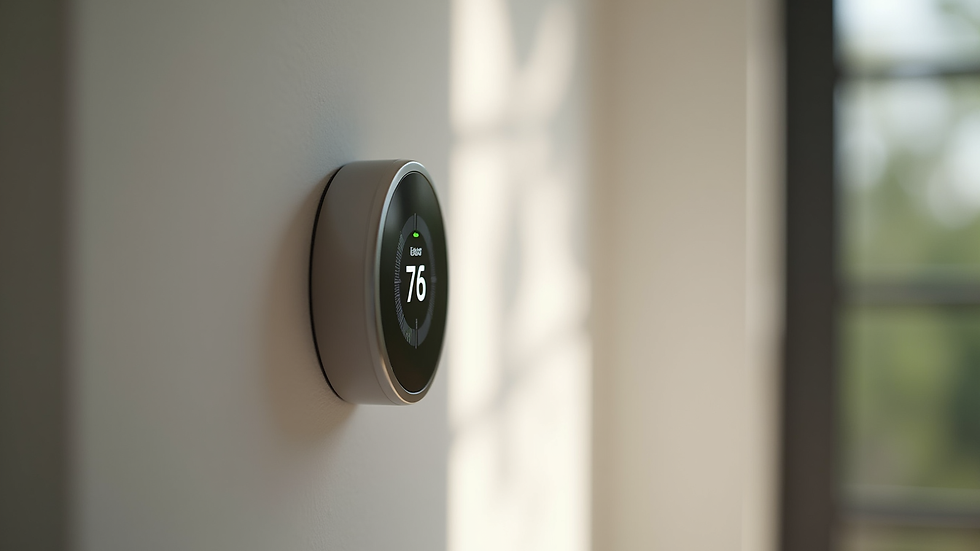
Smart thermostats that learn user preferences and adjust settings automatically.
Use of renewable energy sources like solar-powered HVAC units.
Improved insulation and sealing to reduce heat loss or gain.
Environmentally friendly refrigerants with low global warming potential.
By integrating these features, eco-friendly HVAC solutions not only lower utility bills but also contribute to a healthier planet.

Benefits of Smarter HVAC Systems for Environmental Impact Reduction
Switching to smarter HVAC systems offers multiple benefits beyond just comfort. These systems play a crucial role in environmental impact reduction by:
Lowering greenhouse gas emissions: Efficient HVAC units consume less electricity, which often comes from fossil fuels, thereby reducing carbon dioxide emissions.
Reducing energy waste: Smart controls prevent unnecessary heating or cooling when spaces are unoccupied.
Minimizing refrigerant leaks: New refrigerants and better system designs reduce harmful emissions that contribute to ozone depletion and global warming.
Extending equipment lifespan: Properly managed systems experience less wear and tear, reducing waste from premature replacements.
For example, a smart thermostat can reduce heating and cooling costs by up to 15%, which translates into significant energy savings and a smaller carbon footprint over time.
Key Technologies Driving Eco-Friendly HVAC Solutions
Several innovative technologies are at the forefront of eco-friendly HVAC advancements:
Variable Refrigerant Flow (VRF) Systems
VRF systems adjust the amount of refrigerant sent to different zones based on demand. This precise control reduces energy consumption and improves comfort by avoiding overcooling or overheating.
Geothermal Heat Pumps
These systems use the earth’s stable underground temperature to heat and cool buildings efficiently. Although installation costs are higher, geothermal heat pumps offer substantial long-term savings and environmental benefits.
Smart Thermostats and Sensors
Smart thermostats learn occupant behavior and adjust settings accordingly. Paired with occupancy sensors, they ensure HVAC systems operate only when needed, reducing wasted energy.
Advanced Air Filtration and Ventilation
Improved filtration systems enhance indoor air quality while maintaining energy efficiency. Heat recovery ventilators (HRVs) and energy recovery ventilators (ERVs) exchange stale indoor air with fresh outdoor air without losing heat or coolness.
Practical Steps to Implement Smarter HVAC Systems
Adopting smarter HVAC solutions can seem daunting, but following these practical steps can simplify the process:
Conduct an energy audit: Identify inefficiencies in your current HVAC system and building envelope.
Upgrade to energy-efficient equipment: Replace old units with ENERGY STAR certified models.
Install smart controls: Use programmable or smart thermostats to optimize system operation.
Improve insulation and sealing: Reduce heat loss or gain to lessen HVAC workload.
Schedule regular maintenance: Keep systems clean and well-tuned to maintain efficiency.
Consider renewable energy integration: Explore solar panels or geothermal options to power HVAC systems sustainably.
By taking these actions, building owners and managers can achieve significant energy savings and contribute to environmental impact reduction.
Future Trends in Eco-Friendly HVAC Solutions
The HVAC industry continues to evolve with a focus on sustainability and smart technology integration. Emerging trends include:
Artificial intelligence (AI) and machine learning: These technologies enable HVAC systems to predict and adapt to changing conditions for optimal performance.
Internet of Things (IoT) connectivity: Connected devices allow remote monitoring and control, improving energy management.
Use of natural refrigerants: Substances like ammonia and carbon dioxide are gaining popularity due to their low environmental impact.
Integration with building automation systems: Coordinated control of lighting, HVAC, and other systems enhances overall energy efficiency.
Staying informed about these trends can help stakeholders make better decisions when upgrading or installing HVAC systems.
Embracing Smarter HVAC for a Sustainable Future
Transitioning to smarter eco-friendly HVAC solutions is a vital step toward reducing the environmental footprint of buildings. By leveraging advanced technologies and adopting best practices, it is possible to maintain comfortable indoor environments while supporting sustainability goals. Whether through upgrading equipment, installing smart controls, or improving building insulation, every action contributes to environmental impact reduction.
Investing in smarter HVAC systems not only benefits the planet but also offers economic advantages through lower energy bills and increased property value. Embrace these innovations today to create healthier, more efficient spaces for tomorrow.


Comments